

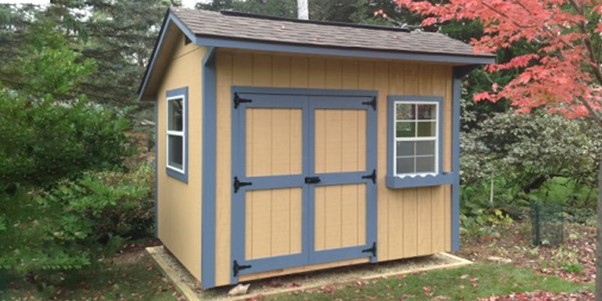
When we picture a shed, most of us focus on the walls, the roof, and even how it looks in the backyard. But here’s the truth: the base is the real hero when it comes to shed stability. A strong, level foundation supports everything else, keeps your shed straight, and protects it from the elements. Without it, even the sturdiest walls can start to tilt, sag, or warp over time.
Whether your shed is for garden tools, seasonal storage, or even a small workshop, understanding the importance of the base can save you headaches—and money—in the long run.
Why the Base Matters More Than the Walls
A shed is a lot like a table. No matter how strong or beautifully made the legs are, if the floor beneath it isn’t level, the table will wobble. Similarly, a shed needs a solid foundation to hold its walls and roof firmly in place.
A good base:
- Prevents uneven settling
- Protects against water damage
- Keeps walls straight and doors aligned
Even walls made of high-quality materials can only perform well if the base is sturdy. Think of the base as the silent hero that makes the rest of your shed work properly.
Shed Pads: The Unsung Heroes of Shed Stability
Shed pads are often overlooked, but they’re game-changers for stability. These pre-prepared surfaces, usually made from concrete or heavy-duty plastic, are designed to give your shed a perfectly flat base.
Why shed pads are important:
- They create a perfectly level surface for construction
- Reduce moisture seeping from the ground
- Minimize movement caused by soil changes
Imagine placing a shed on soft or uneven ground. Over time, it could tilt or even crack. Shed pads prevent this by creating a solid, level platform that protects the structure above it.
Concrete Bases: The Ultimate Foundation for Longevity
Concrete is often the best choice for a shed base, especially if your shed is large or will store heavy items. A shed concrete in Kewaskum distributes weight evenly and prevents movement.
Here’s why concrete is ideal:
- Strength and durability: Concrete can handle heavy loads without sagging
- Moisture protection: Stops water from seeping up from the ground
- Low maintenance: Once it’s set, concrete needs little upkeep
While it may cost more upfront than other options, the long-term benefits are worth it. Concrete is a one-time investment that ensures your shed remains level and stable for years.
Level Ground Is Non-Negotiable
Even the best shed pads or concrete bases won’t work well if the ground isn’t level. Preparing your site is crucial.
How to prepare your ground:
- Remove grass, roots, and debris
- Ensure proper drainage to avoid water pooling
- Check flatness with a spirit level
A level foundation ensures the weight is evenly distributed and prevents problems like sagging floors, sticking doors, or leaning walls. Even a small slope can cause big issues over time, so taking the time to prepare the ground pays off.
How a Weak Base Affects Your Shed
A weak or uneven base can cause problems faster than you might expect. Over time, your shed may begin to tilt, doors might not close properly, and the floor could start creaking. Water may pool around or under your shed, leading to rot, mold, or even structural damage.
Common issues caused by poor bases:
- Walls bowing or leaning
- Floorboards warping or cracking
- Doors and windows sticking
- Reduced overall lifespan
Avoiding these issues starts with choosing the right base. It’s the difference between a shed that stands the test of time and one that requires constant repairs.
Matching the Right Base to Your Shed
Not all sheds are the same, and neither are their base requirements. The type of base you choose depends on factors like size, purpose, and ground conditions.
Things to consider:
- Shed size and weight: Heavier sheds need stronger foundations
- Soil type: Sandy soil, clay, or gravel can affect stability
- Climate and weather: Wet or freeze-prone areas may benefit more from concrete bases
Taking the time to match your shed with the right base ensures stability, durability, and minimal maintenance over the years.
Drainage Matters as Much as Strength
Even the strongest base won’t last long if water pools underneath your shed. Proper drainage is essential to protect both wooden and metal structures.
Tips for drainage:
- Slightly slope the surrounding ground away from the shed
- Avoid placing the shed in low-lying areas prone to flooding
- Consider gravel around the base to help water drain naturally
A base that keeps your shed dry is just as important as one that keeps it level. Together, they prevent long-term damage and ensure your shed remains functional for years.
Summary:
At MW Sheds, we know that the foundation makes all the difference. Our sheds are designed to work seamlessly with professional concrete bases and shed pads in Kewaskum, ensuring stability from day one. With the right base, your shed isn’t just functional, it’s a reliable space you can trust for years.
We combine quality materials, expert design, and a focus on foundation strength to give every customer a shed that’s built to last. Don’t settle for shaky floors or leaning walls—invest in a base that provides peace of mind.
Ready to secure your shed’s future? Contact us today and let’s create a strong foundation that supports your shed and everything in it.
FAQs
1. Why is a shed base more important than walls?
A strong shed base prevents tilting, sagging floors, and water damage, ensuring walls remain straight and your shed lasts longer.
2. What are the best materials for a shed base?
Concrete and shed pads are ideal, offering durability, level support, and moisture protection for long-lasting shed stability.
3. How do shed pads improve shed stability?
Shed pads provide a level, solid surface, reduce ground moisture, and prevent shifting, keeping the shed safe and stable.
4. Can a shed survive without a concrete base?
While possible, sheds without concrete are prone to movement, sagging, and water damage, reducing lifespan and stability.
5. How do I ensure proper drainage under my shed?
Slope ground away from the shed, use gravel around the base, and avoid low-lying areas to prevent water pooling.